





Wood Composite (WPC): The Innovation Revolutionizing Outdoor Design

What is WPC? A sustainable innovation for outdoor design

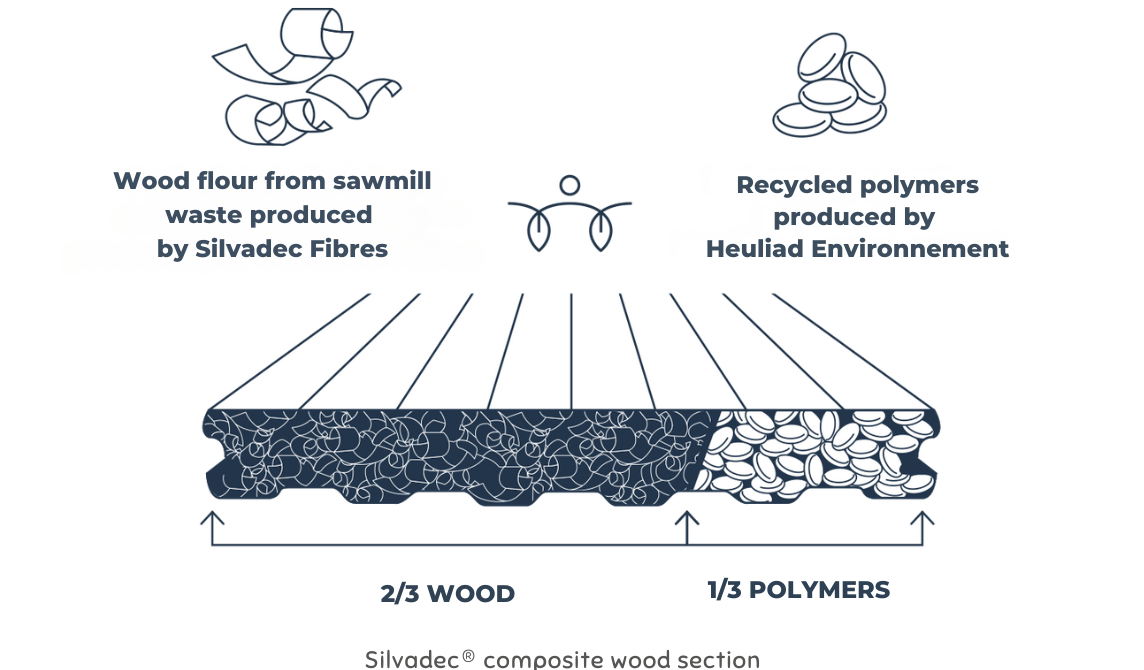
WPC (Wood Plastic Composite) is an innovative material that combines wood flour with a polymer material. This unique alliance merges the natural appearance of wood with the exceptional strength of modern polymers.

Silvadec, French WPC manufacturer since 2001, deploys industrial expertise inspired by North American standards, adapted to European market requirements. As a European pioneer, Silvadec has paved the way for these technical solutions for outdoor design (decking, cladding, screening), establishing new performance benchmarks against traditional natural wood species.

Silvadec® WPC composition, unique for its exceptional performance

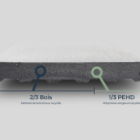
  • Approximately 2/3 PEFC-certified wood fibres: Sourced from French Maritime Pine and Sitka Spruce, these fibres give the material a natural and authentic appearance while ensuring responsible sourcing.
  • Approximately 1/3 high-performance polymer: This polymer provides WPC with excellent UV resistance, exceptional durability and recyclability.
  • Innovative specific additives: Carefully selected, they enhance the WPC material's UV stability and offer optimal protection, ensuring its longevity and the preservation of its aesthetic properties over time.
Image
Image
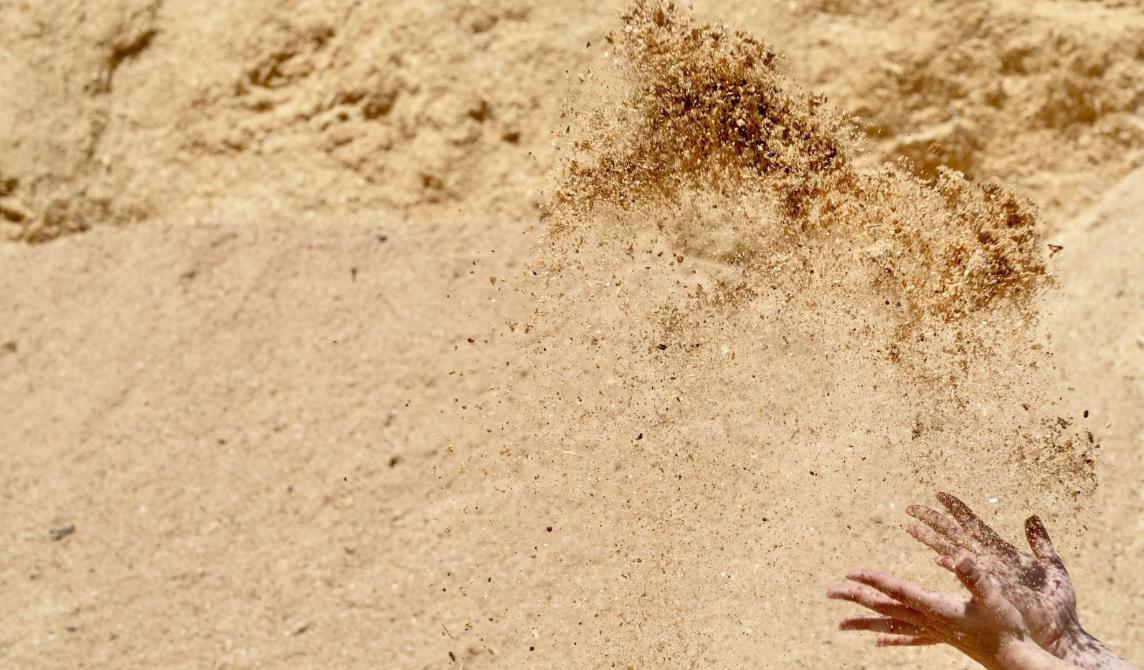
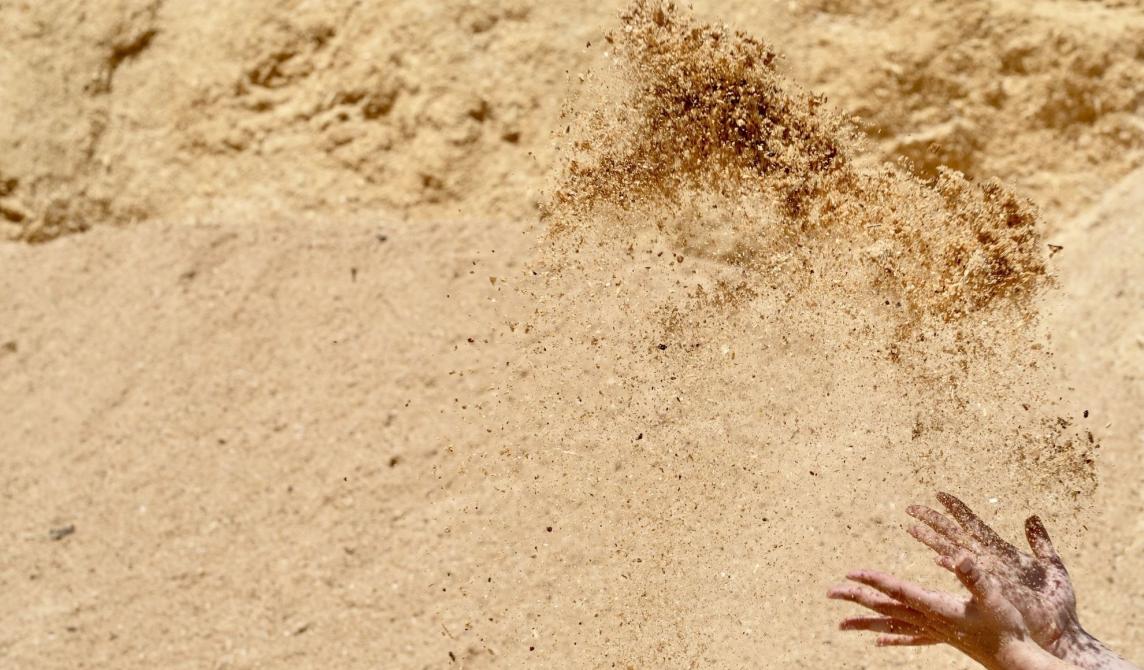
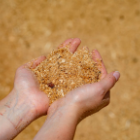
Farine de bois issue de scieries pour fabrication de lames de terrasse composite Silvadec
Image
Installation industrielle de traitement de sciure de bois pour fabrication de terrasses composites Silvadec
Image
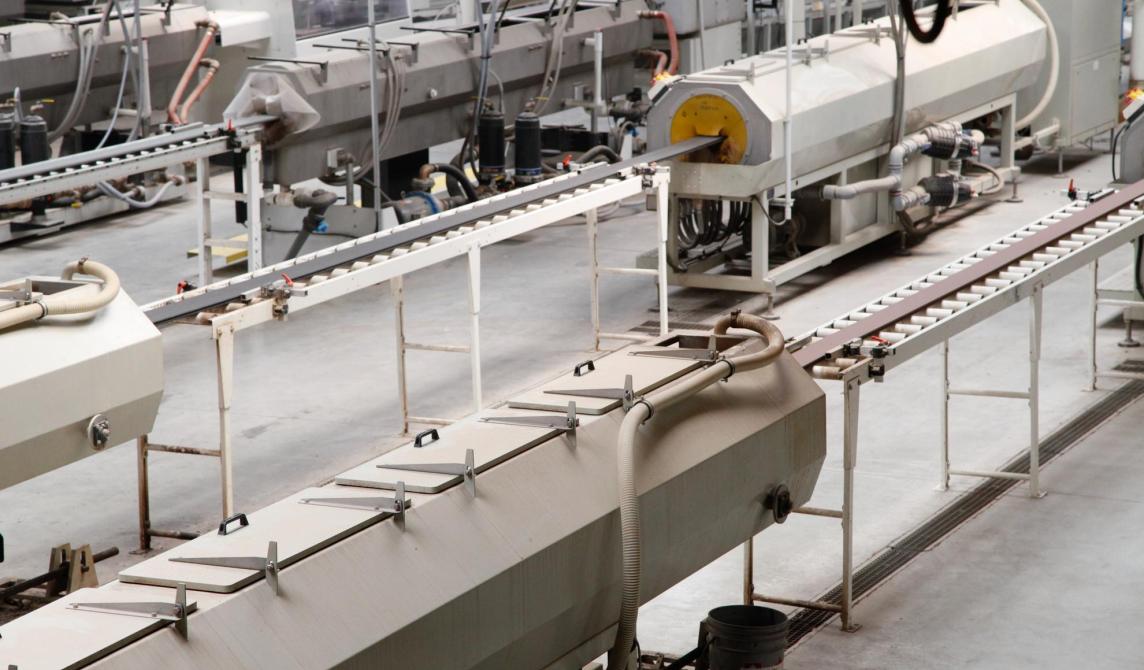
Usine Silvadec d'Arzal - Ligne de production
Image
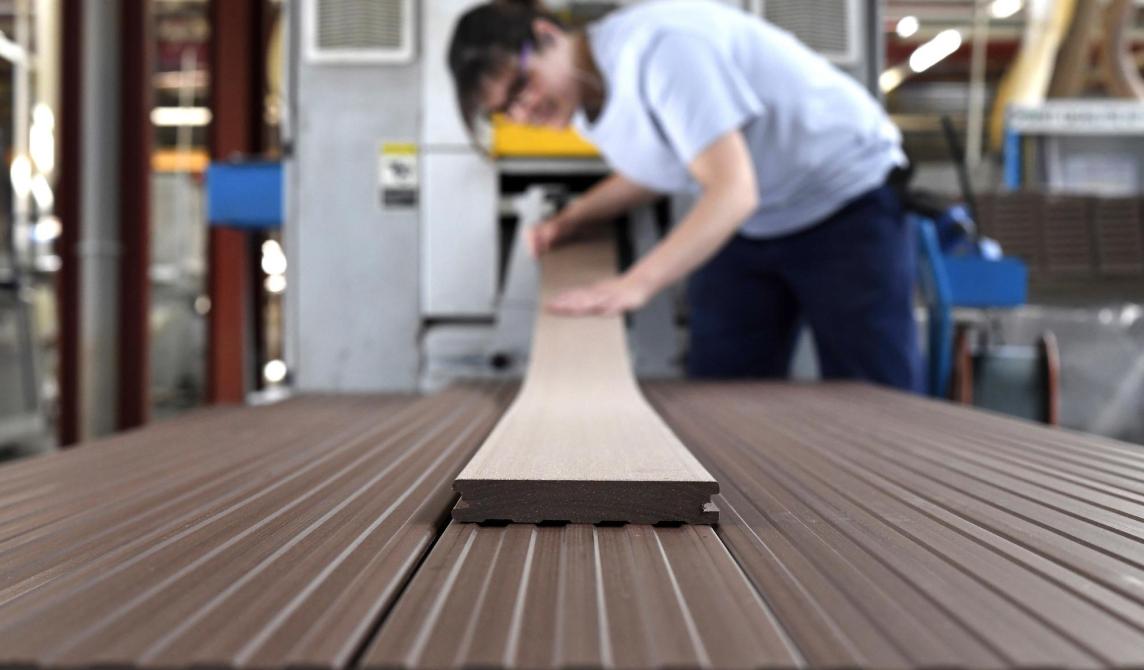
Contrôle qualité des lames de terrasse composite Silvadec en sortie de production
Image
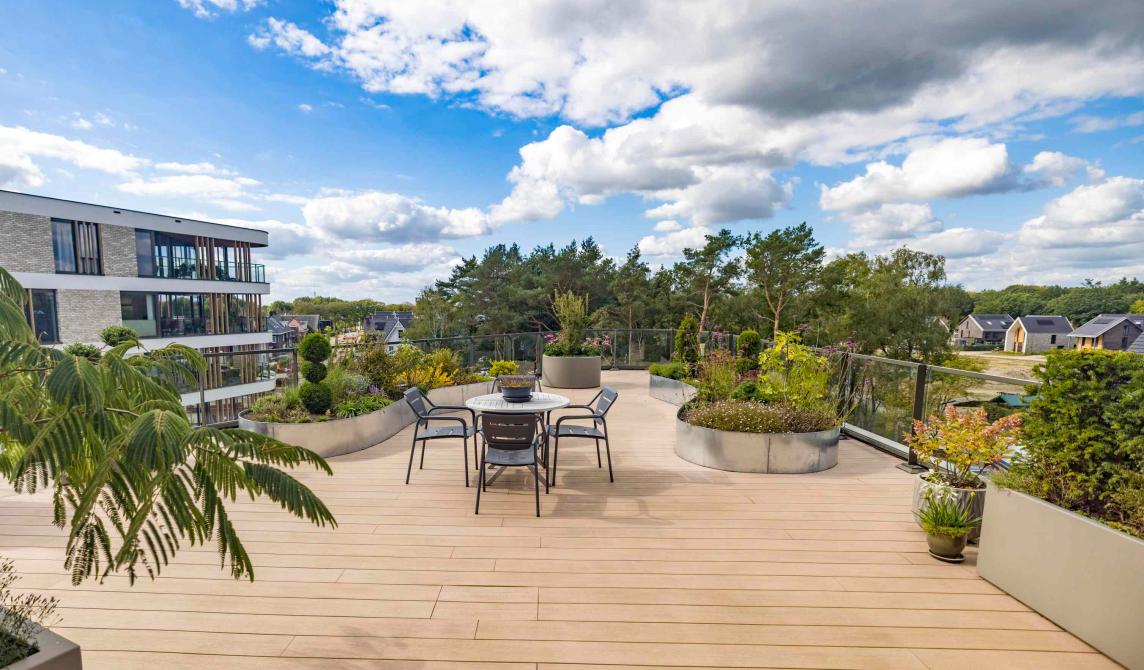
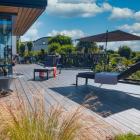
Vaste terrasse sur toit en bois composite beige clair avec table et chaises métalliques, jardinières circulaires plantées, vue panoramique sur un quartier résidentiel avec immeubles modernes et espaces verts, ciel bleu parsemé de nuages blancs

Applications and Uses

Propriétés et performances techniques du bois composite Silvadec

TTerrasse CClôture FFaçade · pastille pleine = gamme disponible dans cette famille, grisée = non disponible
  • Une pastille devant le nom d'une propriété (ex. TRésistance à la charge) signale une donnée propre à cette famille.
  • Nuances et Atmosphère sont coextrudées ; Élégance est monoextrudée — d'où certaines propriétés propres à une seule technologie (Brinell, rayures).

Propriété

Nuances

T C F

Atmosphère

T C F

Élégance

T C F

TRésistance à la charge (répartie)

500 kg/m²Eurocode 1 / NF EN 1991-1

500 kg/m²DTU 51.4

500 kg/m²DTU 51.4

TRésistance à la charge (concentrée)

200 kgDTU 51.4

200 kgDTU 51.4

Absorption d'eau — gonflement

0,4 %EN 317 (24 h)*

0,4 %EN 317 (24 h)

0,4 %EN 317 (24 h)

Absorption d'eau — reprise de masse

1,4 %EN 317 (24 h)*

1,4 %EN 317 (24 h)

1,4 %EN 317 (24 h)

Dilatation thermique

29 µm/m/°CMesure Silvadec

29 µm/m/°CMesure Silvadec

35 µm/m/°CMesure Silvadec

TDureté Brinell

59,6 MPaEN 15534

TRésistance aux rayures

350 gfFCBA XP B 53669*

350 gfFCBA XP B 53669

FCRésistance au vent

FV4 (≤ 30 m)CSTB NV65 C100 km/h « tempête »*Eurocode (poteaux alu 6005)

Résistance aux nuisibles

Classe DC1EN 350

Garantie

25 ans résidentiel / 10 ans proCGV Silvadec

Recyclabilité

100 %Programme Recompose-it

* Résistance au vent en clôture (100 km/h) : valeur portée par les poteaux aluminium, pas par la lame composite.

* Données Nuances issues de FT0101 (Nuances Ipé).

Pour quels usages le bois composite est-il adapté ?

Terrasse résidentielle, plage de piscine, balcon collectif, établissement recevant du public, espace professionnel ou application nautique : la lame composite Silvadec s'adapte à tous les contextes. Le choix entre monoextrusion et coextrusion dépend de la zone d'exposition — découverte, couverte ou semi-abritée.

Voir toutes nos lames de terrasse composite

Image

PRIVATE PLACES

Image

POOL AND RELAXATION AREAS

Image

PUBLIC ACCESS BUILDINGS

Image

BALCONY TERRACES

Image

BUSINESS SPACES

Image

BOAT PARTS

FAQ: Understanding Composite Wood and Silvadec Expertise

What is composite wood made of? +

Composite wood is a modern material combining wood fibers and polymer. Silvadec, a European pioneer since 2001, distinguishes itself with an optimal composition of 2/3 PEFC wood fibers (French Maritime Pine and Sitka Spruce) and 1/3 polymer.

Unlike competing compositions using hollow materials, this unique formulation guarantees exceptional resistance to loads (up to 500kg/m²) thanks to solid boards, while ensuring total recyclability of the product.

What is the lifespan of composite wood? +

The lifespan of composite wood varies depending on manufacturers and their production processes. Silvadec stands out with a 25-year warranty on its products, which is double the durability compared to natural wood and superior to market standards.

This performance is based on technology proven in the United States and perfected for the European market, particularly through co-extrusion, an advanced technique rare in the industry.

How is composite wood manufactured? +

Composite wood manufacturing uses various technologies. Silvadec masters two innovative manufacturing processes in its French and German factories:

  • Traditional extrusion, optimized for responsible production with low energy consumption
  • Co-extrusion, a cutting-edge technology providing a double protective layer, where many manufacturers are limited to simple extrusion

This industrial expertise, rare among European manufacturers who are often simply importers, allows Silvadec to control the entire production process.

How does composite wood age? +

The aging of composite wood heavily depends on its composition and manufacturing process. Silvadec's technology, unique in Europe, guarantees:

  • Color stability without the characteristic graying of traditional wood
  • Superior resistance to UV rays thanks to specific innovative additives
  • No deformation, unlike competing hollow boards
  • Minimal maintenance compared to other outdoor design solutions
Is composite wood rot-proof? +

The rot-resistance of composite wood varies according to its composition. Silvadec's formulation, free of heavy metals, offers a 25-year guarantee against biological attacks, whereas many competing products present risks of long-term degradation.

This performance is validated by strict certifications, notably the "toy safety" certification attesting to the total safety of the material.

Why do my Elegance and Emotion boards yellow after installation? +

The yellowing observed on Elegance and Emotion decking boards is a temporary weathering phenomenon, perfectly natural for composite wood.

This natural phenomenon occurs during the first weeks following installation and gradually disappears after exposure to sun and weather. Eventually, the boards will return to their original shade and their color will stabilize.

In semi-sheltered or sheltered areas, this process may take longer due to reduced exposure to UV and natural elements.

If moisture rings persist, it is possible to accelerate their disappearance by using a water jet and a scrub brush, brushing in the longitudinal direction of the boards.

weathering
What are the main applications of composite wood? +

Composite wood has many applications in outdoor design. Silvadec distinguishes itself with a complete range of solutions developed and produced in France:

  • High-resistance decking with exclusive solid boards
  • Fencing and cladding systems with dedicated accessories
  • Special arrangements for demanding environments (swimming pools, public spaces)
  • Certified architectural solutions for the professional sector

The 100% European production and the recompose-it program for end-of-life recycling demonstrate Silvadec's superior environmental commitment compared to imported solutions.

FAQ: Understanding Composite Wood and Silvadec Expertise

What is composite wood made of? +

Composite wood is a modern material combining wood fibers and polymer. Silvadec, a European pioneer since 2001, distinguishes itself with an optimal composition of 2/3 PEFC wood fibers (French Maritime Pine and Sitka Spruce) and 1/3 polymer.

Unlike competing compositions using hollow materials, this unique formulation guarantees exceptional resistance to loads (up to 500kg/m²) thanks to solid boards, while ensuring total recyclability of the product.

What is the lifespan of composite wood? +

The lifespan of composite wood varies depending on manufacturers and their production processes. Silvadec stands out with a 25-year warranty on its products, which is double the durability compared to natural wood and superior to market standards.

This performance is based on technology proven in the United States and perfected for the European market, particularly through co-extrusion, an advanced technique rare in the industry.

How is composite wood manufactured? +

Composite wood manufacturing uses various technologies. Silvadec masters two innovative manufacturing processes in its French and German factories:

  • Traditional extrusion, optimized for responsible production with low energy consumption
  • Co-extrusion, a cutting-edge technology providing a double protective layer, where many manufacturers are limited to simple extrusion

This industrial expertise, rare among European manufacturers who are often simply importers, allows Silvadec to control the entire production process.

How does composite wood age? +

The aging of composite wood heavily depends on its composition and manufacturing process. Silvadec's technology, unique in Europe, guarantees:

  • Color stability without the characteristic graying of traditional wood
  • Superior resistance to UV rays thanks to specific innovative additives
  • No deformation, unlike competing hollow boards
  • Minimal maintenance compared to other outdoor design solutions
Is composite wood rot-proof? +

The rot-resistance of composite wood varies according to its composition. Silvadec's formulation, free of heavy metals, offers a 25-year guarantee against biological attacks, whereas many competing products present risks of long-term degradation.

This performance is validated by strict certifications, notably the "toy safety" certification attesting to the total safety of the material.

Why do my Elegance and Emotion boards yellow after installation? +

The yellowing observed on Elegance and Emotion decking boards is a temporary weathering phenomenon, perfectly natural for composite wood.

This natural phenomenon occurs during the first weeks following installation and gradually disappears after exposure to sun and weather. Eventually, the boards will return to their original shade and their color will stabilize.

In semi-sheltered or sheltered areas, this process may take longer due to reduced exposure to UV and natural elements.

If moisture rings persist, it is possible to accelerate their disappearance by using a water jet and a scrub brush, brushing in the longitudinal direction of the boards.

weathering
What are the main applications of composite wood? +

Composite wood has many applications in outdoor design. Silvadec distinguishes itself with a complete range of solutions developed and produced in France:

  • High-resistance decking with exclusive solid boards
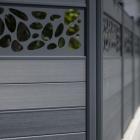
  • Fencing and cladding systems with dedicated accessories
  • Special arrangements for demanding environments (swimming pools, public spaces)
  • Certified architectural solutions for the professional sector

The 100% European production and the recompose-it program for end-of-life recycling demonstrate Silvadec's superior environmental commitment compared to imported solutions.