










What is WPC? A sustainable innovation for outdoor design
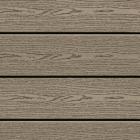
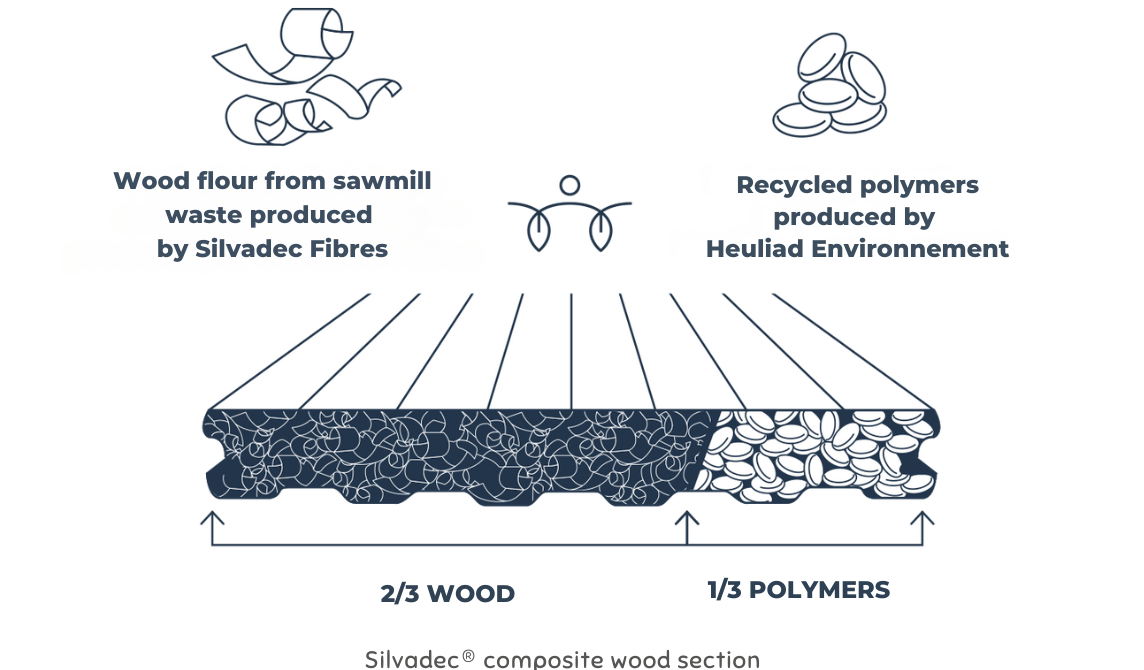
WPC (Wood Plastic Composite) is an innovative material that combines wood flour with a polymer material. This unique alliance merges the natural appearance of wood with the exceptional strength of modern polymers.
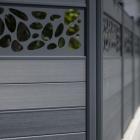
Silvadec, French WPC manufacturer since 2001, deploys industrial expertise inspired by North American standards, adapted to European market requirements. As a European pioneer, Silvadec has paved the way for these technical solutions for outdoor design (decking, cladding, screening), establishing new performance benchmarks against traditional natural wood species.
Silvadec® WPC composition, unique for its exceptional performance
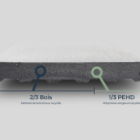
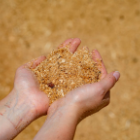
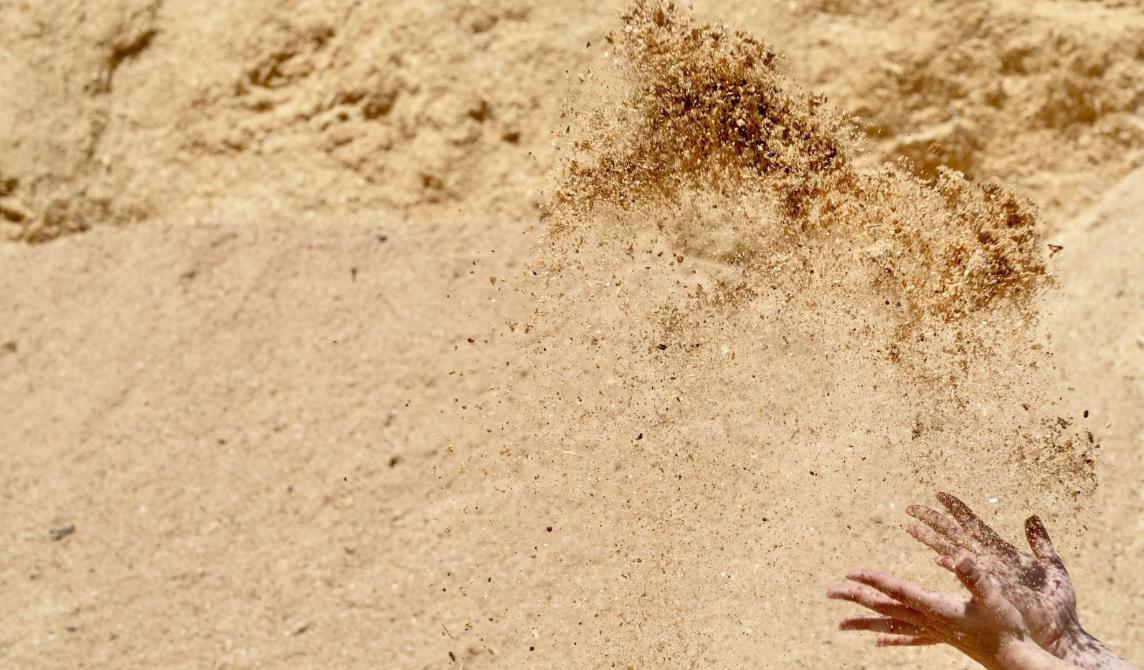
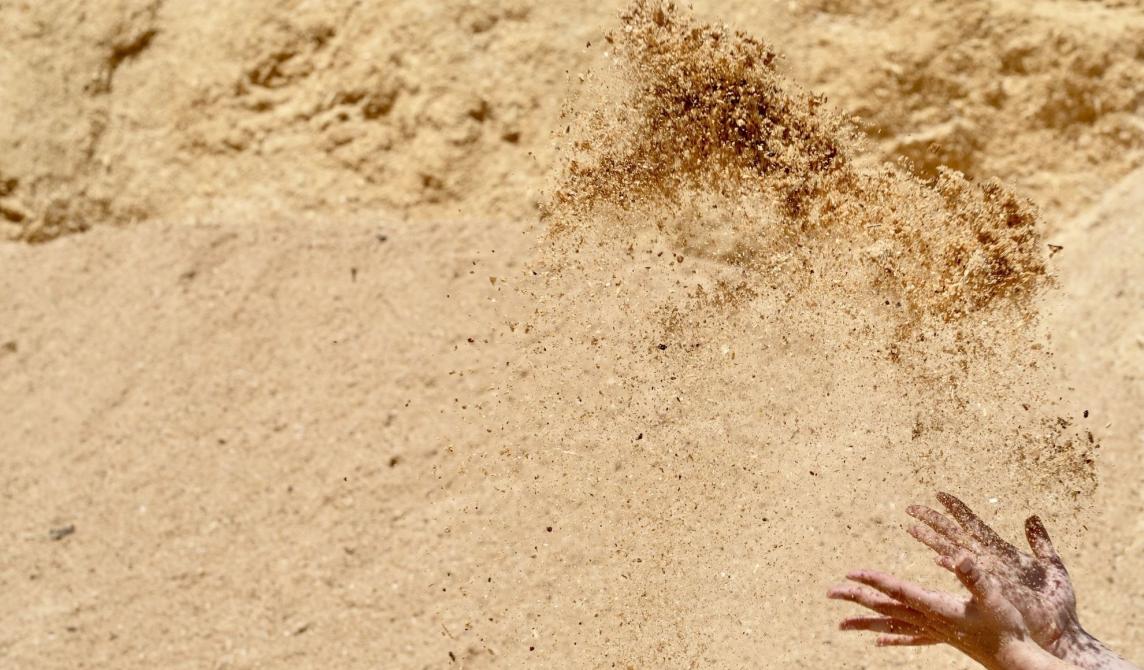
- Approximately 2/3 PEFC-certified wood fibres: Sourced from French Maritime Pine and Sitka Spruce, these fibres give the material a natural and authentic appearance while ensuring responsible sourcing.
- Approximately 1/3 high-performance polymer: This polymer provides WPC with excellent UV resistance, exceptional durability and recyclability.
- Innovative specific additives: Carefully selected, they enhance the WPC material's UV stability and offer optimal protection, ensuring its longevity and the preservation of its aesthetic properties over time.
How is wood composite made? Mono-extrusion and co-extrusion
Silvadec manufactures its boards using two processes. This technological choice is the main criterion that sets the ranges apart — and it determines performance in real-world use.
Mono-extrusion — Elegance range
The material is extruded in a single pass. The board is homogeneous throughout its cross-section and through-coloured. Its surface directly exposes the wood fibres: it can be worked like wood, and a surface scratch can even be corrected by sanding. The colour changes naturally through tanning (yellowing) in the first few weeks, then stabilises for the long term. Thermal expansion coefficient: 35 µm/m/°C.
Co-extrusion — Atmosphere and Nuances ranges
A high-performance polymer shell is co-injected simultaneously around the composite core during manufacturing — it is not a coating applied afterwards. The bond is created while hot, in a single operation. The result: colour that is stable from installation, scratch resistance of 350 gf (FCBA), and suitability for covered and semi-sheltered areas. Thermal expansion coefficient: 29 µm/m/°C (−17% compared with mono-extrusion).
Both technologies are mastered and produced on our own lines in Arzal — a rarity among European manufacturers, many of whom are simply importers.
Understand the technical differences between mono-extrusion and co-extrusion in detail →
What uses is wood composite suitable for?
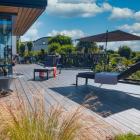
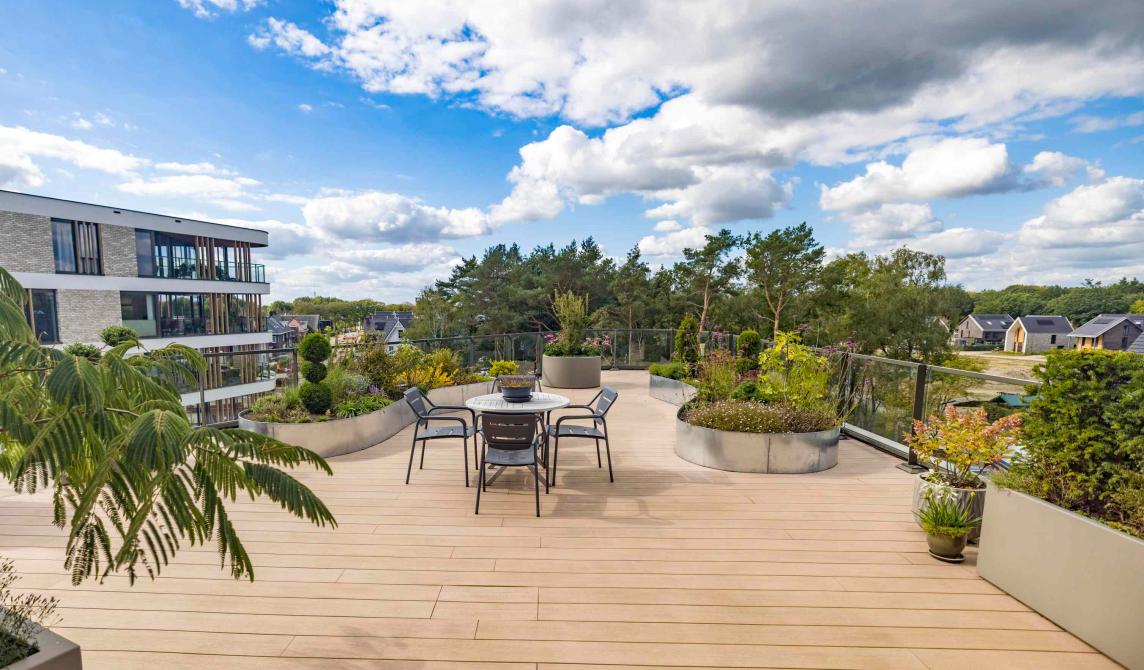
Residential decking, pool decks, communal balconies, public buildings, commercial spaces or marine applications: Silvadec composite boards adapt to every setting. The choice between mono-extrusion and co-extrusion depends on how exposed the area is — uncovered, covered or semi-sheltered.
PRIVATE PLACES

POOL AND RELAXATION AREAS
PUBLIC ACCESS BUILDINGS

BALCONY TERRACES

BUSINESS SPACES

BOAT PARTS
Frequently asked questions about wood composite
Wood composite is a material that combines wood fibres and a polymer. It brings together the warm look of wood and the durability of a technical material. At Silvadec, we make it as a solid board, with no hollow cells: it is rot-proof, splinter-free and does not turn grey like solid wood. These qualities come from the material itself, not from an added treatment.
A Silvadec composite board contains around two-thirds wood fibres and one-third high-density polyethylene (HDPE), virgin or recycled. Anti-UV additives complete the formula. Our fibres come exclusively from PEFC-certified French sawmills (maritime pine and Sitka spruce). They are processed into wood flour in Roc-Saint-André, Brittany, by Silvadec Fibres.
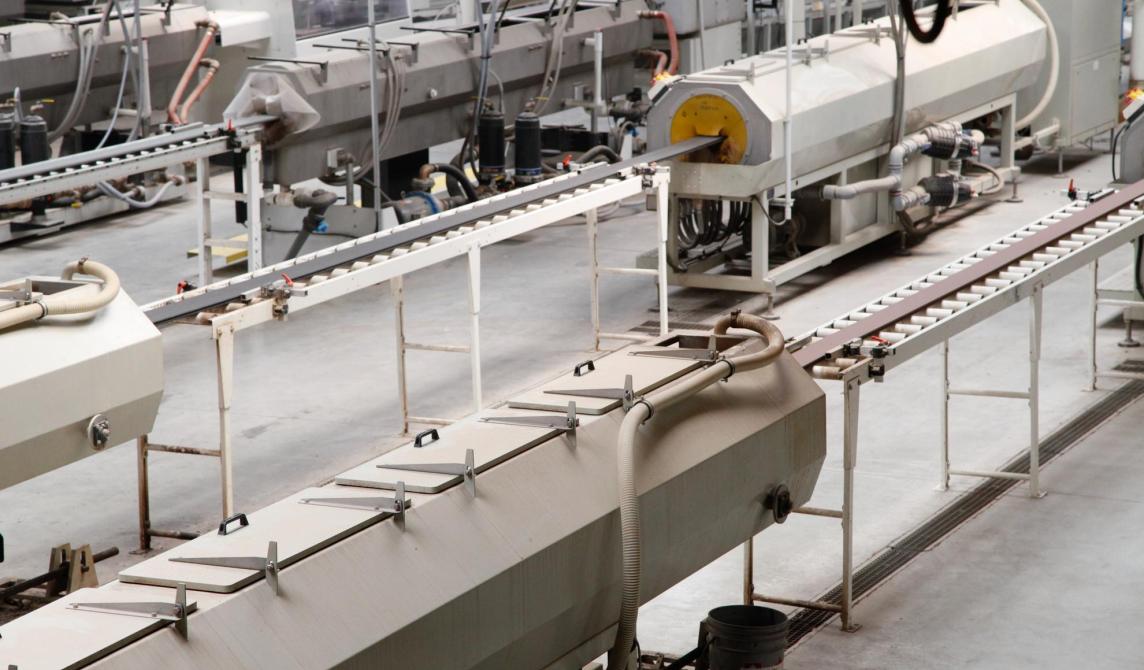
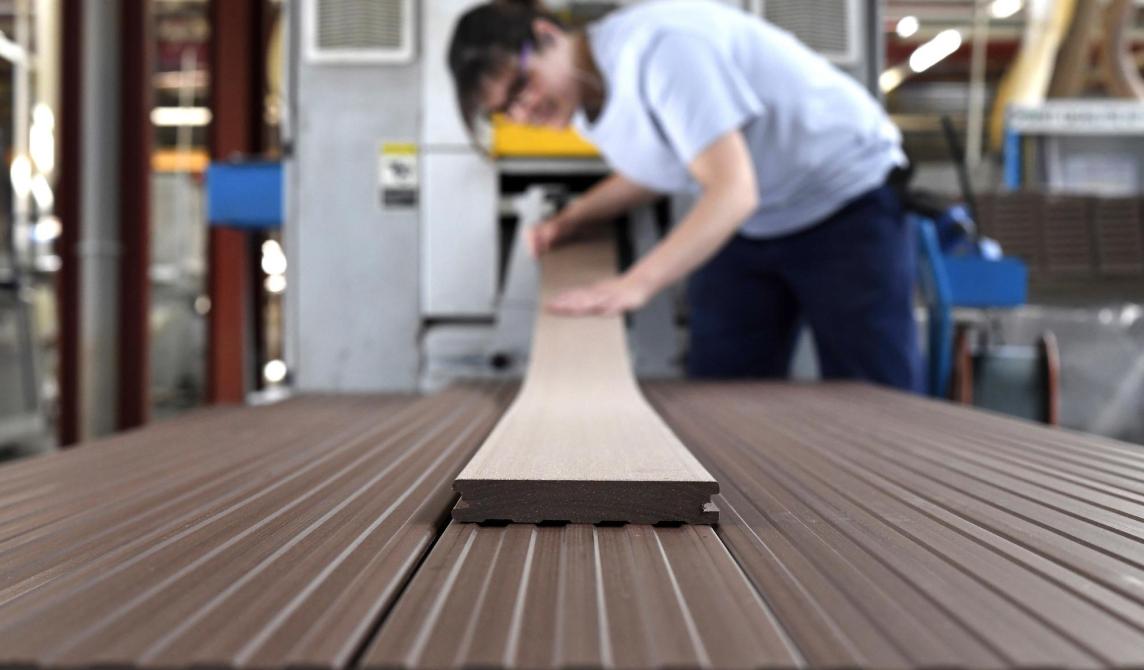
Manufacturing is based on extrusion. The wood fibres and the polymer are mixed while hot, then pushed through a die that gives the board its final cross-section: solid for decking, hollow for fencing and cladding. We produce our boards on our own lines in Arzal (Morbihan, France) and Schierling (Bavaria, Germany). No varnish, paint or chemical treatment is applied after manufacturing: the performance is intrinsic to the material.
Mono-extrusion (Elegance range) produces a homogeneous, through-coloured board in a single pass. Its surface directly exposes the wood fibres, and its colour stabilises after a few weeks of natural tanning. Co-extrusion (Atmosphere and Nuances ranges) adds, in the same operation, a polymer shell around the composite core. The result: colour that is stable from installation (10-year warranty, ISO 105-A02), scratch resistance of 350 gf (FCBA) and expansion reduced to 29 µm/m/°C, compared with 35 for mono-extrusion. Understand the differences between mono-extrusion and co-extrusion
Yes, and we prove it through action. Our profiles have been awarded the French Bio-based Product Label (Label Produit Biosourcé) at Silver level: 54% of their material is bio-based, as verified by an independent body. Our composite boards are also 100% recyclable. With our Recompose-it programme, we take back your old Silvadec boards: from our boards, we make new boards.